Шумоизоляция помещений in 2024: what's changed and what works
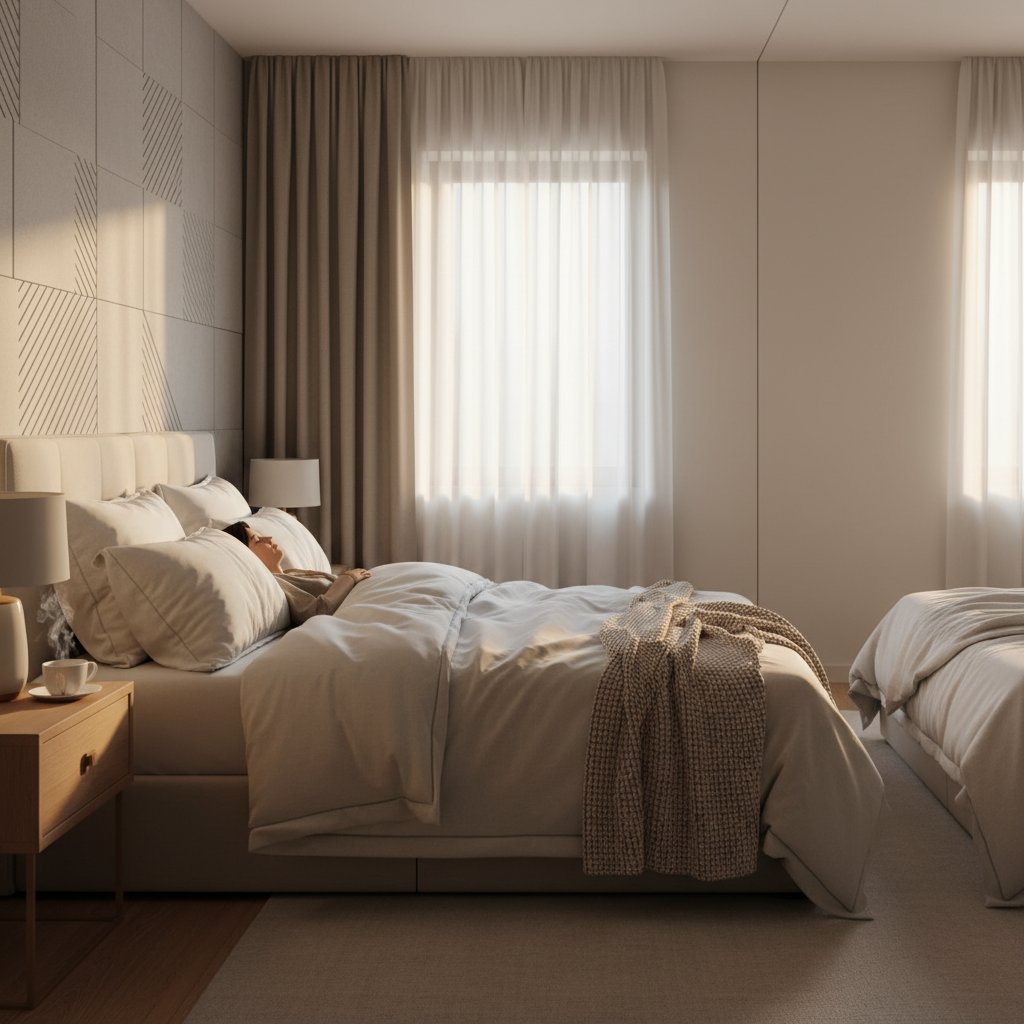
Soundproofing has come a long way from hanging egg cartons on walls and hoping for the best. The past year has brought some serious innovations to the acoustic treatment game, along with a reality check about what actually delivers results. Whether you're trying to block out your neighbor's drum practice or create a quiet home office, here's what's actually working in 2024.
1. Mass Loaded Vinyl Just Got Lighter (And Actually Works Better)
The acoustic barrier industry finally figured out that nobody wants to haul 2-pound-per-square-foot materials up three flights of stairs. New composite MLV products now deliver the same STC ratings (Sound Transmission Class of 27-32) at roughly 60% of the traditional weight. Companies like Acoustiblok and QuietBarrier have introduced variants that combine barium sulfate with recycled rubber polymers, making installation a one-person job instead of requiring a small army.
Here's the thing though: lighter doesn't mean compromised. Independent testing shows these newer materials actually outperform their heavier predecessors in the 500-2000 Hz range—exactly where human speech and most urban noise lives. You're looking at around $2.80-$4.50 per square foot, which is about 15% more than old-school MLV, but the labor savings make it worth every penny.
2. Decoupling Has Become Ridiculously Simple
Remember when creating an isolated wall system meant building a room within a room? Those days are fading fast. Resilient channel systems have evolved into clip-and-rail setups that even weekend DIYers can handle. The RSIC-1 clips paired with hat channel can give you an STC improvement of 15-20 points without sacrificing more than two inches of room space.
The real breakthrough is in the clips themselves. Modern designs use rubber isolation pads that handle both impact and airborne noise, plus they're adjustable. Mess up your stud spacing slightly? No problem. These systems forgive installation mistakes that would've been catastrophic five years ago. Budget around $1.20 per square foot for materials, and you can knock out a standard bedroom wall in a weekend.
3. Acoustic Mineral Wool Finally Dropped Its Price
Rockwool and similar mineral fiber products used to cost 3-4 times more than standard fiberglass insulation. That gap has shrunk to about 40-50% premium, making it an actual option for regular homeowners instead of just recording studios with unlimited budgets. A pack of Rockwool Safe'n'Sound batts now runs $65-75 for enough to cover 60 square feet.
Why does this matter? Because mineral wool is legitimately better at absorbing sound, especially low frequencies. It's denser (around 8 pounds per cubic foot versus 0.5 for standard fiberglass) and won't settle over time. Plus it's fire-resistant and doesn't turn into itchy nightmare dust when you cut it. The performance difference is measurable—you're looking at NRC (Noise Reduction Coefficient) values of 0.95 versus 0.75 for comparable fiberglass.
4. Door Seals Stopped Being an Afterthought
Acoustic experts have been screaming this for years: your door gap is killing your soundproofing efforts. Finally, manufacturers caught up with automatic door bottom seals that actually work. These drop down when you close the door and retract when you open it, creating a proper acoustic seal without requiring you to step over a threshold.
Pair one of these (around $85-120 for a quality unit) with a good perimeter seal kit, and you've addressed what's typically the biggest weakness in any room's acoustic envelope. A 1/4-inch gap under a door can reduce your wall's STC rating by 5-10 points. Seal it properly, and you're suddenly blocking 60-70% more sound for less than $200 in materials.
5. Smart Acoustic Panels Are Actually Smart Now
Okay, "smart" might be overselling it, but acoustic treatment panels have gotten way more functional. Multi-layer panels now combine absorption with diffusion, handling both deadening and controlling reflections in one unit. Companies like GIK Acoustics and Primacoustic offer panels that work across the full frequency spectrum instead of just knocking down the highs.
The styling has improved too. You're no longer stuck with boring gray rectangles. Custom printed fabric panels let you add acoustic treatment that actually looks intentional, not like you're cosplaying a recording studio. Prices range from $4-8 per square foot depending on thickness and customization, and strategic placement of just 15-20% wall coverage can transform a room's acoustics.
6. Green Glue Alternatives Finally Showed Up
Green Glue viscoelastic compound has dominated the damping market for years, but at $180-220 per case (enough for two sheets of drywall), it's been painful. New water-based acoustic damping compounds from manufacturers like QuietGlue and SoundDamp offer similar performance at $140-160 per case. Independent testing shows damping coefficients within 5% of the original.
The application has improved too. These newer formulas have longer working times (45 minutes versus 15-20), which means less panic during installation. They're also low-VOC, so you're not hotboxing yourself with fumes while trying to improve your living space. For a standard bedroom, you're saving $80-120 while getting essentially the same acoustic performance.
The soundproofing landscape in 2024 isn't about revolutionary materials—it's about making proven solutions more accessible, affordable, and user-friendly. The physics hasn't changed, but the barriers to actually implementing effective acoustic treatment have dropped significantly. You still need mass, absorption, decoupling, and damping. You just don't need a contractor's license and a second mortgage to make it happen anymore.